Key Ideas for Exploring Light in High School Studio Art Class
Courtesy of the author.
1000whatsoever high schools offering introductory art classes, with names like "Studio Art," "Art 101," "Introduction to Studio Art," or something similar. These courses often serve as the only art classes students take in their high-school career and, while some dismiss it equally simply a step on the fashion to graduation, I think the studio art class can be both a place to get students more excited about taking advanced courses in subsequent years and a menstruation of time that reinvents their understanding of the way artists think and piece of work.1 As we motility into a new school yr, filled with big questions, political controversy, and a off-white share of feet, here are seven strategies that help students to recall and piece of work less similar compliant recipients, going through the motions, and more like artists.
ane. Shift the Landscape
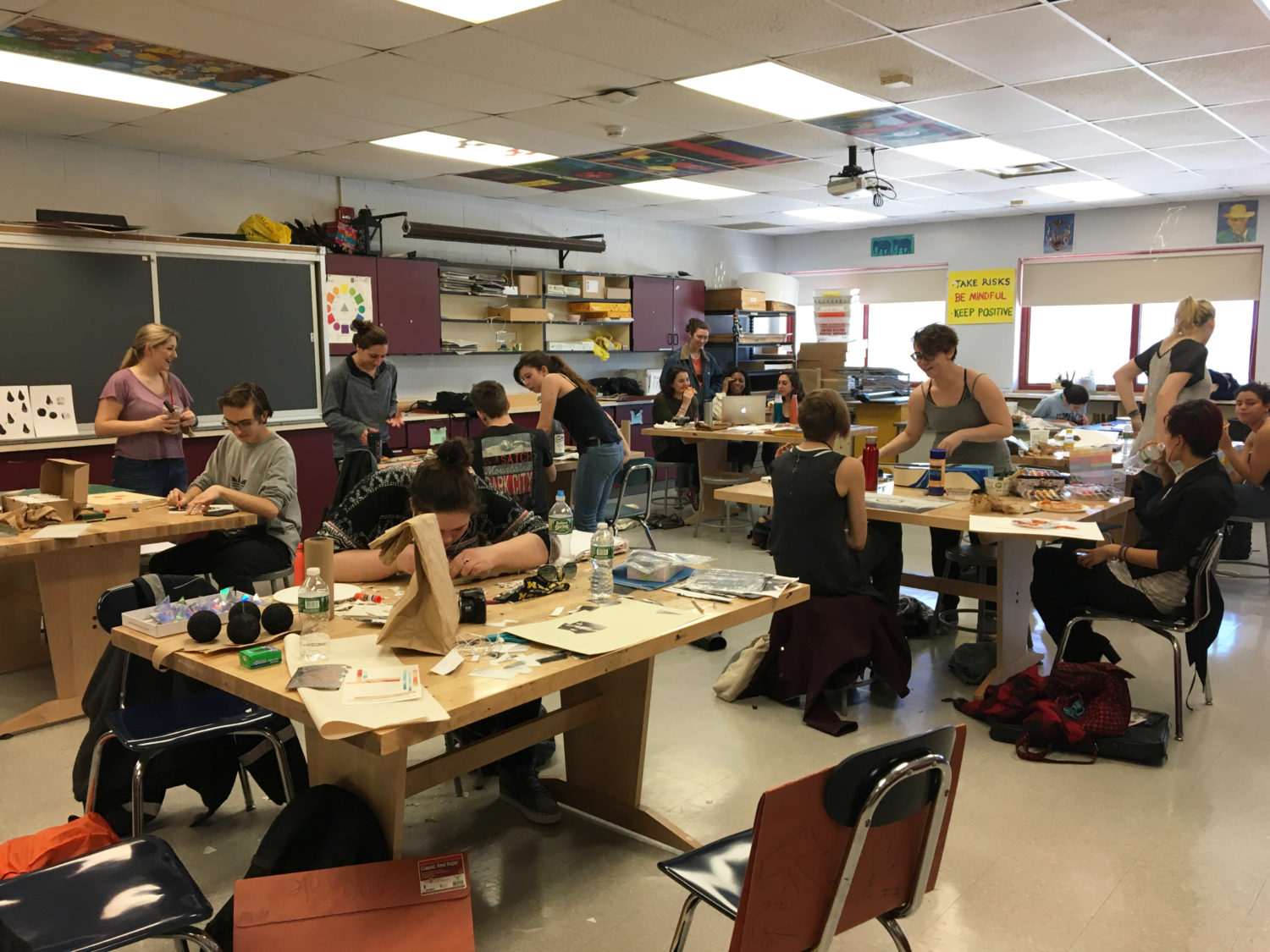
Allowing the classroom to get predictable works against art educators. Art is not a boring routine, so an fine art classroom should non be one either. Move around the furniture from time to fourth dimension. Modify seating arrangements. Create different groupings of students for activities and discussions. Brand adaptability and working together in dissimilar means the norm in the classroom.
2. Define Quality Together
Rather than provide students with the verbal criteria for excellent scores, loftier grades, mastery, and so forth, build rubrics with the students in gild to develop a shared definition of what constitutes loftier-quality piece of work. Teachers should not abandon their criteria just rather should include students' voices and give them a chance to "own" the criteria.
Courtesy of the author.
3. Brand Process Visible
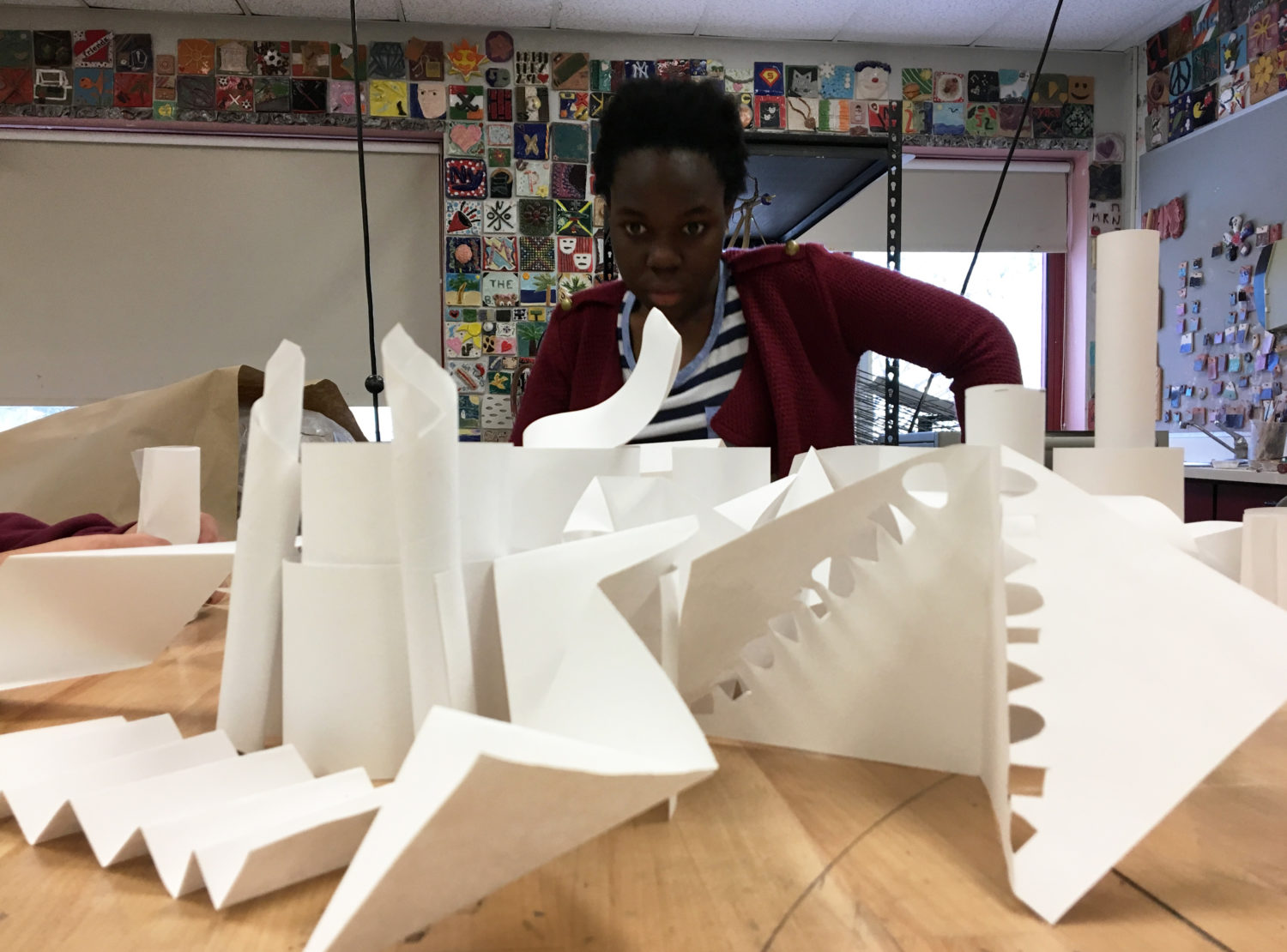
While sketching, planning, and brainstorming normally play big roles in studio art classes, often all of this piece of work stays hidden. Find means to make the planning visible: Share sketchbook samples. Post ideas and sketches for feedback. Create bulletin boards that track the process and are updated regularly. Behave in-progress critiques of ideas rather than just critiques of finished products.
4. Do 2 Things At Once
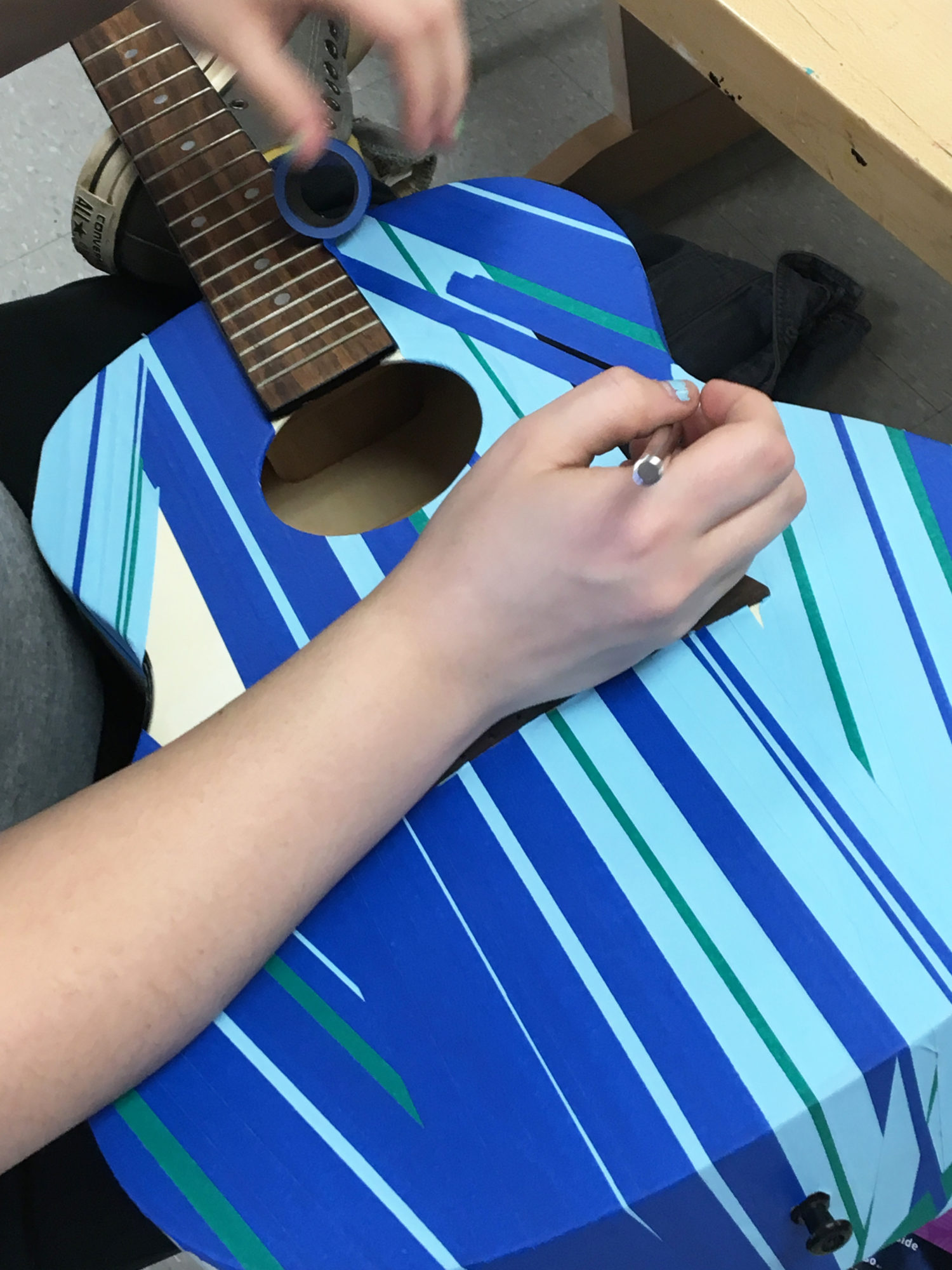
About of united states of america, if we have a studio or art-making practice, are usually working on multiple projects at the same time. Mirror this in the classroom by giving students multiple assignments, to be completed over longer periods.
Courtesy of the author.
5. Provide Pathways for Enquiry
When request students to inquiry a question, idea, or topic, provide pathways to discover data that aren't simply Google searches. Every bit starting points, ask students to look at specific websites, artists, exhibitions, and collectives. Share your expertise and innovate artists and exhibitions that relate to the theme, thought, or question.
six. Ask Difficult Questions
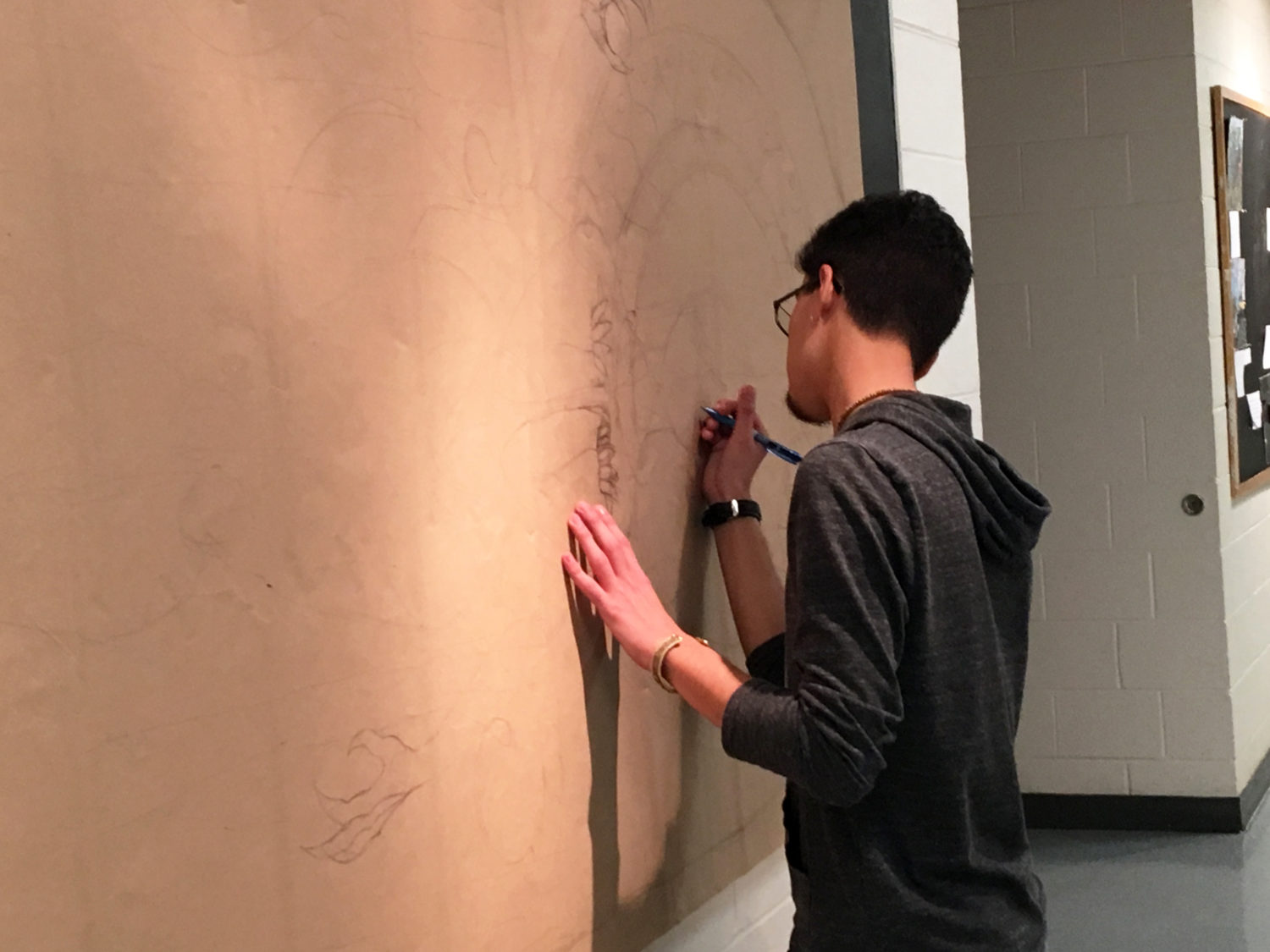
One of the hardest strategies is probably the virtually rewarding. Asking difficult questions can provoke verbal and visual responses to important issues. When students are challenged to speak up and give voice to the ideas and issues they find critical and controversial, beautiful things can happen, fifty-fifty if they are not conventionally pretty. Think about the topics that are the elephants in the room in your school or community: how can this course provide a way to bandage light on these issues and open discussions nearly them?
Courtesy of the author.
7. Revisit the Large Question
All skilful units of study are driven by a large question that students reinterpret throughout the lessons. But this question needs to exist revisited along the way, and developing a collective response is important. Integrating the question that drives a unit of study in applied ways tin can often contribute meaningfully to students' understanding .
1. Many states do not require an art grade for graduation (come across: Education Commission of the States, "Standard High-School Graduation Requirements (50-state)."
alvaradohonesided.blogspot.com
Source: https://art21.org/read/seven-strategies-for-the-studio-art-class/
0 Response to "Key Ideas for Exploring Light in High School Studio Art Class"
Post a Comment